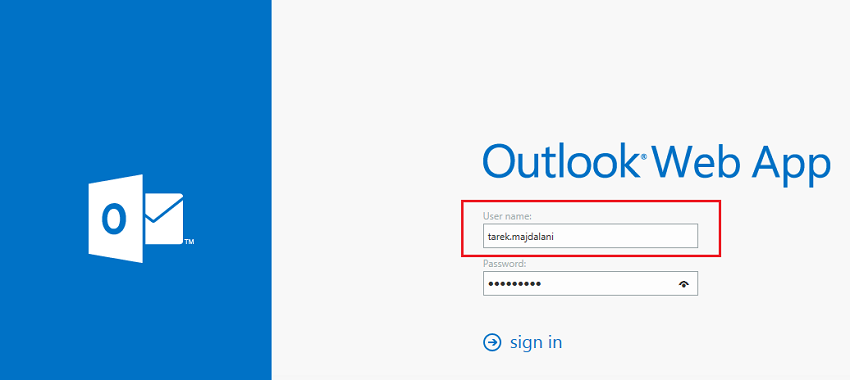
Introduction
With Exchange Server 2010, we used to change the OWA logon options using Exchange Management Shell, the same thing can be done with Exchange 2013 using the Exchange Admin Center.
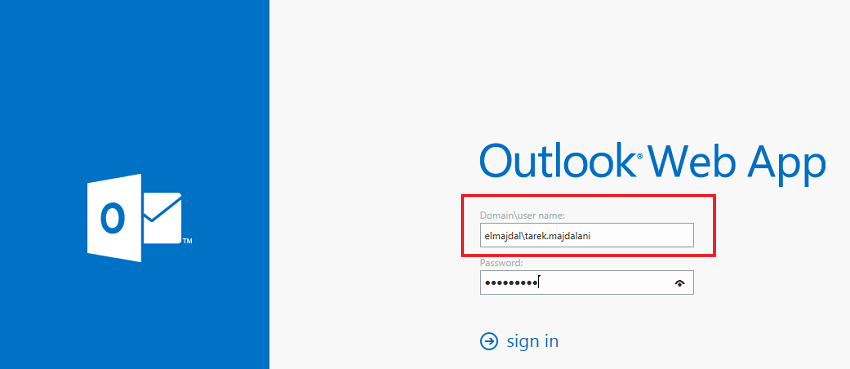
You can change the default logon format to one of the following formats:
- Username

So lets check how to change the OWA logon format in Exchange Server 2013 :
1 Login into Exchange Admin Center and then from the left side menu, click on servers
2. Click on virtual directories
3. From the list of the available virtual directories, click on the owa (Default Web Site) and then click on the edit button
4. The owa virtual directory options page will open, from the left side menu, click on authentication
5. As you can see, three forms-based authentication logon formats are availableDomain\user name
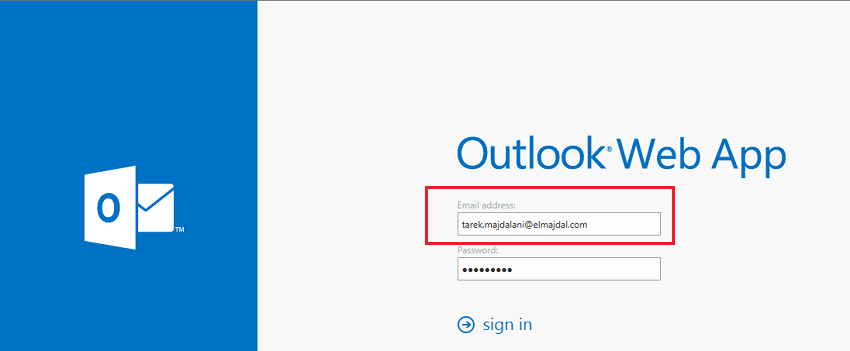
User prinicipal name (UPN)
User name only The default option is the Domain\user name , to set it to logging in using your complete email ID , then select User principal name (IPN) and click on save
To apply the changes, you must restart IIS .
Note : Check the steps at the end of this article to know how to restart IIS.
7. After IIS is restarted, the logon format will be as shown below. My email ID is [email protected] so I will login into OWA using [email protected] instead of elmajdal\tarek.majdalani
To Set the logon format to username only, select User name only
Then select the domain name by clicking on browse… and from the list of available domains, select the domain you want to
authenticate your users from then click ok
The domain name will be selected, click save to set the forms-based authentication format option to be username only.
Of course, you must restart IIS to apply the changes
After IIS is restarted, the next time you try to logon, you will be presented with the username only logon format as shown below
To restart IIS :
Open IIS
Then from the left side pane, click on the server name and then click Restart from the right side pane